Heat Pump vs Furnace vs Hybrid Systems: What’s Best in Cold Climates?

As energy costs rise and technology advances, more homeowners in Pennsylvania are asking whether it makes sense to replace their traditional furnace with a heat pump — or to combine both in a hybrid system.

While all three heating methods can keep your home comfortable, they each perform differently depending on temperature, insulation, and utility rates. Here’s what Hill Property Inspections recommends you understand before making your next heating investment.

1. The Basics: How Each System Works

Furnace (Gas or Oil)

Burns fuel to generate heat, which is distributed through ducts. Common in older and rural homes. Provides steady warmth even in subzero weather.

Heat Pump (Electric)

Transfers heat instead of creating it. In heating mode, it pulls warmth from outside air and moves it indoors. Functions as both a heater and air conditioner. Efficiency drops as outdoor temperatures fall — but modern “cold climate” models perform better than ever.

Hybrid (Dual-Fuel System)

Combines a heat pump with a backup gas furnace. Automatically switches between electric and gas depending on outdoor temperature or utility rates. Offers flexibility and improved efficiency in variable climates like western Pennsylvania.

2. Energy Efficiency & Operating Costs

Energy efficiency is measured by AFUE (for furnaces) and HSPF / SEER (for heat pumps).

A modern gas furnace achieves 90–98% AFUE, meaning almost all fuel becomes heat. A quality cold-climate heat pump can reach 300% efficiency — producing three units of heat for every one unit of electricity consumed. Hybrid systems maximize both: they use the heat pump during moderate weather and switch to gas only when it’s truly cold.

Pro Tip: If your electricity rate is low and your home has good insulation, a heat pump can significantly reduce overall energy costs.

3. Performance in Pennsylvania’s Climate

Western and central Pennsylvania winters are often cold, wet, and unpredictable — meaning performance varies by location and home type.

Heat Pumps: Ideal for regions where winter lows stay above 0°F. Modern inverter-driven units can still produce heat down to -10°F, though efficiency declines.

Furnaces: Best for drafty or older homes with limited insulation. They provide consistent heat output regardless of outdoor temperature.

Hybrid Systems: Perfect for areas like Johnstown, Windber, or Somerset where temperatures fluctuate. The system automatically selects the most economical and reliable heat source.

4. Comfort Considerations

Air Temperature: Furnaces deliver hotter air (~120°F) than heat pumps (~95°F), so furnace heat feels warmer but may cycle more abruptly.

Humidity: Heat pumps maintain more consistent indoor humidity and can improve comfort during dry winters.

Noise: Subtle hum outdoors from heat pump compressor; gas furnaces are typically quieter inside.

Zoning Compatibility: Both systems can be integrated with zoning dampers or smart thermostats for better control.

5. Installation and Maintenance Costs

In Pennsylvania’s market, a gas furnace typically costs between $4,000 and $7,000 to install. Furnaces tend to have long lifespans of around 20 years and benefit from relatively inexpensive natural gas in most areas. A heat pump installation generally ranges from $5,000 to $9,000, with higher upfront costs but lower ongoing energy use. For those seeking maximum efficiency, hybrid systems—which combine both—usually range from $8,000 to $12,000, reflecting their dual equipment setup but also their ability to minimize energy costs long-term.

Maintenance requirements also differ. Heat pumps require regular coil cleaning and refrigerant checks to maintain performance. Furnaces should be serviced annually, including burner cleaning and a safety inspection. Hybrid systems require both types of maintenance but provide the advantage of redundancy — if one component fails, the other can continue heating the home.

6. Environmental & Future-Proofing Factors

Heat Pumps: Reduce fossil fuel use and carbon emissions; often eligible for federal tax credits and rebates.

Gas Furnaces: Depend on fuel prices and may see regulatory changes in the coming decade.

Hybrid Systems: Offer a balanced transition strategy — using renewable electricity when possible but maintaining gas reliability.

Pro Tip: For investors and property managers, hybrid systems can improve resale value by appealing to both eco-conscious and traditional buyers.

Final Thoughts

No single system fits every property. The right solution depends on your building’s insulation, budget, and energy goals.

If you’re considering an upgrade or unsure how your current heating system is performing, Hill Property Inspections can evaluate furnace safety, duct efficiency, and overall heating performance as part of a full home or commercial inspection.

We can also use thermal imaging to reveal air leakage, duct losses, and temperature imbalances — helping you make an informed, cost-effective decision before or during winter.

Schedule your heating system evaluation today:

📞 1-833-HILL-PRO

🌐 www.hillinspections.com

Hill Property Inspections, LLC is a full-service residential and commercial inspection firm based in the Johnstown, PA area.

Pre-Winter Checklist: What Home Systems to Inspect Before the Freeze

As fall turns to winter here in southwestern Pennsylvania, even a few overlooked maintenance items can lead to costly surprises. From frozen pipes to failing furnaces, now is the time to inspect and prepare your home’s major systems before the first real cold snap hits.

Here’s Hill Property Inspections’ professional pre-winter checklist—drawn from years of inspecting homes across Cambria, Somerset, Westmoreland, Blair, Indiana, Bedford and surrounding Counties.

1. Roof & Attic: Stop Leaks Before They Start

Your roof is your first line of defense against snow and ice.

Inspect shingles for curling, cracking, or missing pieces—especially near valleys and chimneys.

Check flashing around vents, skylights, and penetrations. Even small gaps can lead to leaks when ice accumulates.

Look inside the attic for dark stains, damp insulation, or visible daylight—these are red flags for air leaks or roof damage.

Verify ventilation. Proper airflow through soffit and ridge vents helps prevent condensation and ice damming.

Pro Tip: If you can see frost or moisture on attic nails, your ventilation or insulation is out of balance.

2. Gutters & Downspouts: Direct Water Away

Clogged gutters can create ice dams that force melting snow under your roof covering.

Clear all leaves and debris. Flush the system with water to ensure flow.

Confirm downspout extensions discharge at least 4–6 feet from the foundation.

Inspect grading. Soil should slope away from the house—at least 6 inches over the first 10 feet.

These small adjustments prevent foundation seepage and protect basement walls through the wet freeze-thaw season.

3. HVAC System: Clean, Service, and Test

Cold weather exposes weak heating systems fast.

Replace furnace filters and ensure registers are open and unobstructed.

Have your furnace or boiler serviced by a qualified technician. Annual cleaning keeps efficiency high and reduces carbon monoxide risk.

Test the thermostat and inspect vent connections for rust or gaps.

Consider an infrared scan (available with Hill Property Inspections) to check for air leakage and uneven heat distribution.

If your system is older, now’s also the time to budget for an upgrade or backup source.

4. Plumbing & Water Systems: Prevent Freezing

Frozen pipes are among the most common—and costly—winter emergencies.

Disconnect garden hoses and drain exterior faucets.

Insulate exposed pipes in unheated crawlspaces, basements, or garages.

Locate your main water shut-off valve and make sure every adult in the household knows how to use it.

If you have a sump pump, test it. Pour water into the basin and confirm automatic operation.

For homes on private wells, ensure the well pit or pressure tank area is insulated and protected from drafts.

5. Safety Devices: Test and Replace Batteries

Smoke and CO detectors: test each unit and replace batteries.

Fire extinguishers: ensure at least one is rated for A-B-C use and stored where it’s visible and easy to access.

Dryer vent: clean out lint buildup to reduce fire risk.

6. Exterior & Entry Points: Keep the Cold Out

Seal gaps around doors and windows with weatherstripping or caulk.

Inspect exterior lighting for proper operation—shorter days require dependable fixtures.

Check sidewalks and handrails for damage before freeze events make repairs difficult.

Final Thoughts

A pre-winter inspection is more than a checklist—it’s preventive insurance. By tackling these simple tasks now, you protect your roof, foundation, and comfort all season long.

If you’d rather have a certified professional evaluate these systems for you, Hill Property Inspections offers comprehensive pre-winter assessments, infrared scans, and maintenance inspectionsthroughout southwestern Pennsylvania.

Schedule your winter-readiness inspection today:

📞 1-833-HILL-PRO

🌐 www.hillinspections.com

Hill Property Inspections, LLC is a full-service residential and commercial inspection firm based in the Johnstown, PA area.

Sometimes You’ve Gotta Get Dirty

We include footnotes on all of our home inspection reports to provide clients with helpful tips for basic maintenance. Among the many tips, one of the most important is periodically checking any unfinished spaces in your home – especially the attic. I can’t count how many houses we’ve inspected where the owners have confessed to never seeing their attic space, and many of them have lived in their homes for decades.

Aside from storing the Christmas tree and a few old heirlooms in the attic, most people never have a need to visit their unfinished (and let’s face it, often dirty and creepy) attic space. So it’s not surprising that no one makes it a habit of visiting their attic from time to time, and most homeowners would never even think of it. Unfinished attics – especially in old homes – bring to mind things like cobwebs, bats, and countless other eerie surprises. Out of sight, out of mind, right?

Well, as you probably guessed, avoiding scary spaces isn’t exactly the best idea. The same conditions that make unfinished spaces less than appealing also make them more prone to problems that demand periodic monitoring. If you’re diligent about paying these spaces an occasional visit, you’ll be far more likely to spot possible issues and deal with them quickly before they have an opportunity to turn into much bigger, more expensive defects.

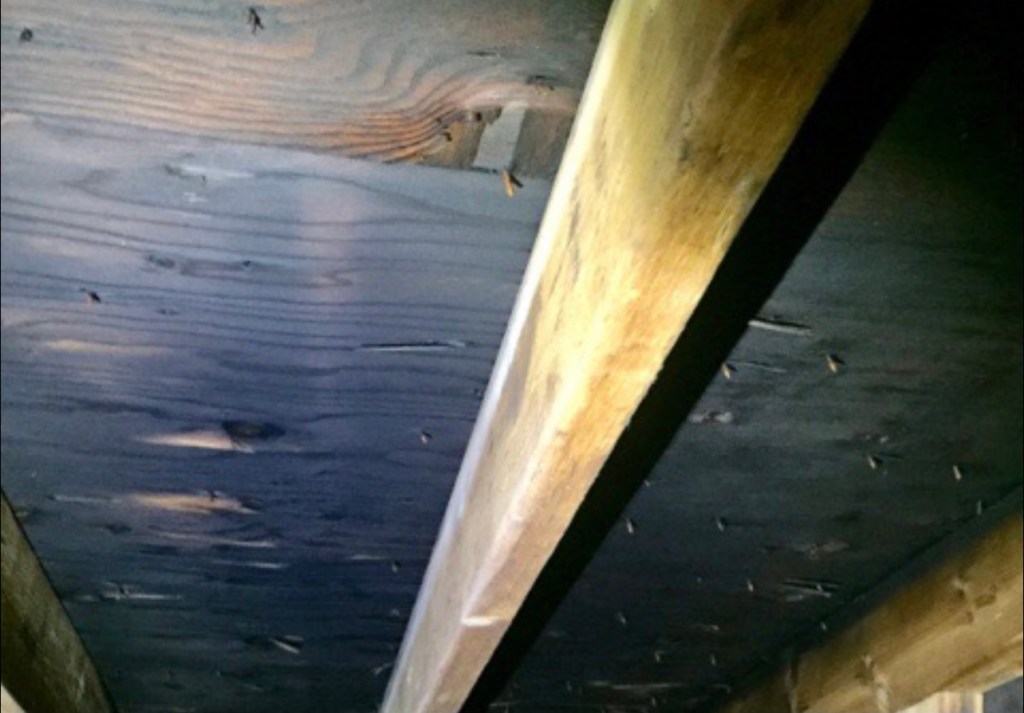
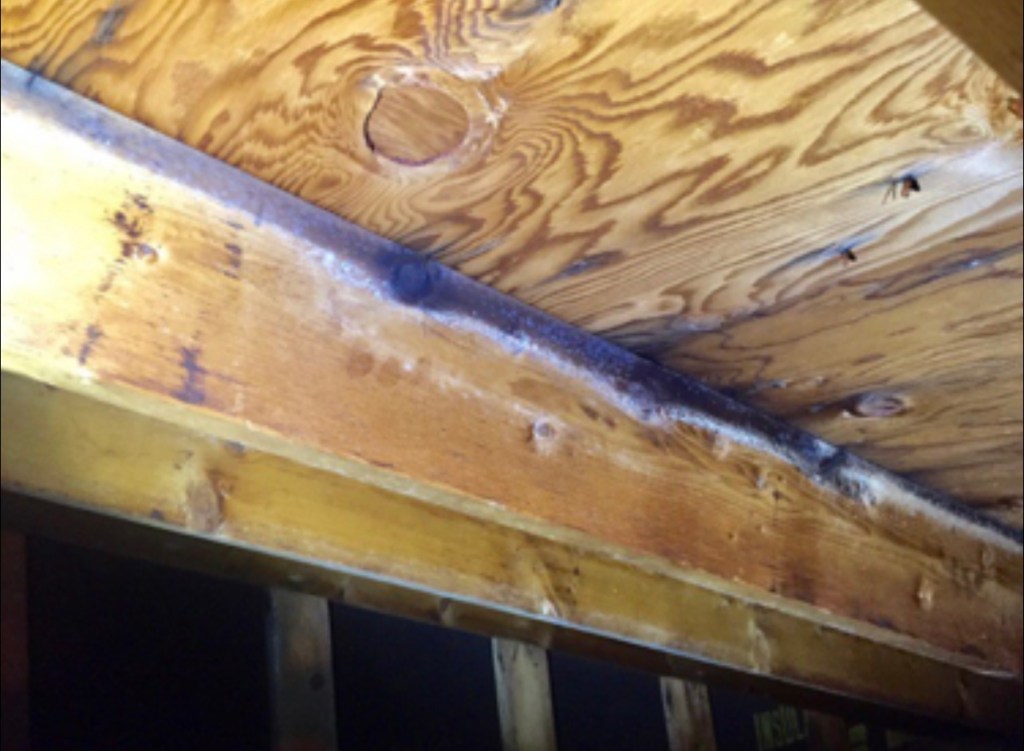
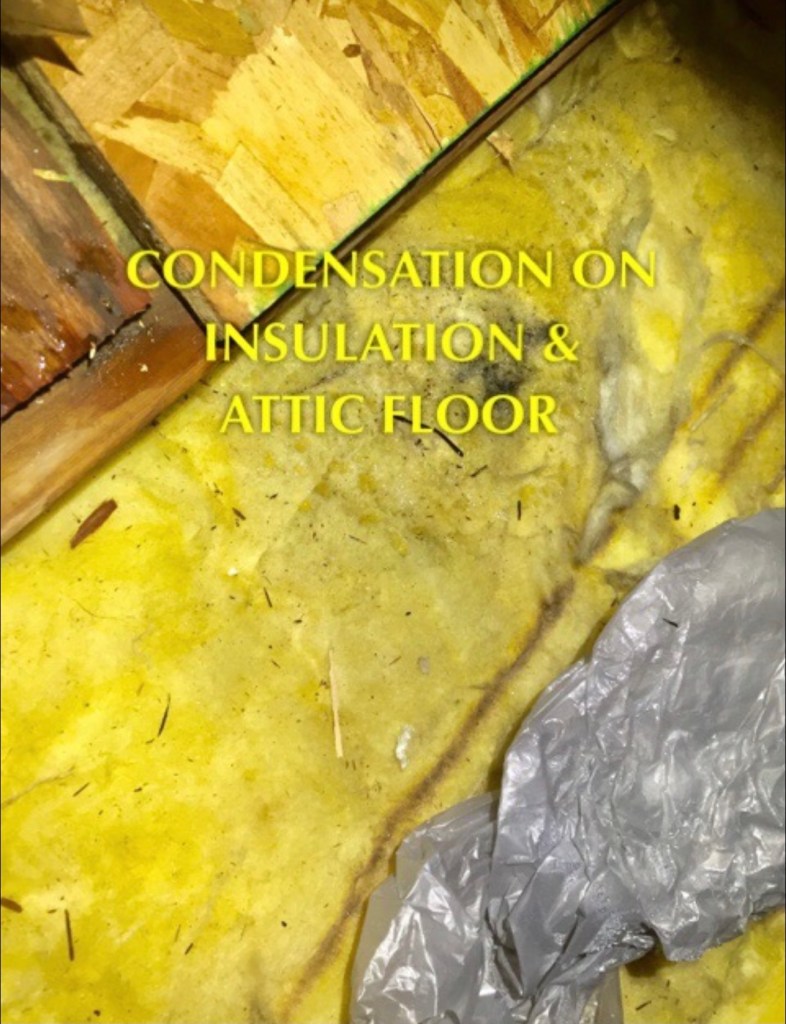
The owners of a house we recently inspected learned this lesson all too well after getting news of our report. In general, the home was very nice and well maintained, so we didn’t expect to run into any major defects. Of course, I knew that if any area would have problems it would probably be the attic, and unfortunately that turned out to be true. The attic wasn’t adequately ventilated and the inspection was in the middle of winter, so temperature extremes had quickly led to condensation buildup of vapor-laden air on the rafters and roof sheathing, along with subsequent dark staining, microbial growth, wood deterioration and water dripping onto the attic floor and insulation below. See the photos below to see what I mean…

I instantly felt bad for the homeowners, knowing they had worked hard to maintain their home very well over the years, and also knowing they probably never checked their attic and had no clue that this issue was lurking above their heads all along. Had they known how important it is to check unfinished spaces and not just the main living space, they undoubtedly would have discovered and dealt with their ventilation problem far earlier. As a side note, I should also point out that this is precisely why people get home inspections. The buyers of the home may very well have never entered the attic space either, and they would have been saddled with a major problem down the road!

Set reminders for yourself to periodically check unfinished spaces in your home, like attics and crawlspaces, that you normally wouldn’t enter. Do this at least once each season (about once every three months) at a minimum, and preferably a little more often. Yes, it may require getting a little dirty and dealing with some things that are a bit creepy, but it’s far better than allowing defects to form and grow undetected and having a costly mess on your hands in the future! And if you just aren’t comfortable doing this yourself, you can always hire a professional to do it for you.

*To visit our main website, go to http://www.hillinspections.com