Commercial real estate investing has its own language. If you don’t understand the terminology, you can miss risk, overpay for a property, or misjudge returns. Just as importantly, many of these terms are directly influenced by the findings of a commercial Property Condition Assessment (PCA). Below is a plain-English breakdown of the most common commercial real estate terms—and how a PCA can materially impact each one.
Capitalization Rate (Cap Rate)
The cap rate is the annual net operating income (NOI) divided by the purchase price. Investors use it to estimate return. A PCA directly affects cap rate because it identifies deferred maintenance, major repair needs, and near-term capital expenses. If a building needs a new roof, HVAC replacement, structural repairs, or parking lot resurfacing, the true return is lower than the broker’s pro forma suggests. Adjusting the purchase price or negotiating credits based on PCA findings can materially improve your actual cap rate.
Net Operating Income (NOI)
NOI is the property’s income after operating expenses, but before debt service and taxes. A PCA impacts NOI by identifying hidden operating costs—inefficient mechanical systems, water intrusion, aging plumbing, failing windows, or code-related upgrades. These issues can increase maintenance costs and reduce tenant satisfaction. A well-documented PCA helps investors forecast realistic operating expenses instead of relying on optimistic seller numbers.
Triple Net Lease (NNN)
In a triple net lease, tenants pay property taxes, insurance, and maintenance expenses in addition to rent. While this shifts many costs to the tenant, the landlord still bears responsibility for structural components and major capital items in many cases. A PCA clarifies the condition of roofs, structure, foundations, electrical systems, and major mechanical systems so you understand what long-term obligations may remain with ownership—even in a NNN structure.
Gross Lease
In a gross lease, the landlord pays most operating expenses. That means building condition matters even more. If the PCA reveals aging HVAC units, outdated electrical panels, or roof deficiencies, those future repair costs will directly impact your cash flow. Investors relying on gross lease income need a thorough PCA to avoid being surprised by major capital outlays.
Deferred Maintenance
Deferred maintenance refers to repairs that should have been addressed but were postponed. This is one of the most important areas evaluated in a PCA. Uncorrected deferred maintenance often compounds over time—minor water intrusion becomes structural decay; minor electrical issues become fire hazards. A PCA quantifies these issues so investors can budget, renegotiate, or walk away when appropriate.
Capital Expenditures (CapEx)
CapEx refers to major improvements or replacements such as roofs, parking lots, elevators, boilers, or structural components. A quality PCA provides estimated remaining useful life (RUL) and projected replacement costs for these systems. This allows investors to create realistic reserve schedules and avoid sudden six-figure surprises shortly after closing.
Replacement Reserves
Replacement reserves are funds set aside for future capital repairs. Lenders often require them. PCA findings heavily influence reserve calculations because the assessment identifies the timeline for replacement of major systems. If a 20-year roof has only three years of life remaining, reserve contributions must reflect that reality. Accurate reserves protect both investor and lender.
Due Diligence Period
The due diligence period is the time frame during which a buyer evaluates a property before finalizing the purchase. A PCA is a cornerstone of this process. It provides objective, third-party documentation of the building’s condition and can uncover structural concerns, safety issues, code deficiencies, or environmental red flags that materially affect value and risk.
Internal Rate of Return (IRR)
IRR measures the projected annualized return over the life of an investment. PCA findings can significantly shift IRR projections. Unexpected capital expenses reduce overall returns, especially in shorter hold periods. By incorporating realistic repair timelines and costs identified in a PCA, investors can model more accurate IRR scenarios.
Cash Flow
Cash flow is the money left after all expenses and debt service. Major repair needs identified in a PCA can temporarily or permanently reduce cash flow. Conversely, negotiating price reductions based on PCA findings can improve initial cash flow and strengthen the overall investment.
Tenant Improvements (TI)
Tenant improvements are build-outs or modifications made for incoming tenants. A PCA may reveal infrastructure limitations—insufficient electrical capacity, aging HVAC systems, inadequate plumbing—that increase TI costs. Understanding these limitations early helps investors price leases appropriately and avoid underestimating build-out expenses.
Remaining Useful Life (RUL)
RUL estimates how long major components are expected to last. This is a core deliverable in most PCAs. Accurate RUL estimates help investors time capital projects, plan financing, and avoid emergency replacements. It also strengthens negotiations with sellers and lenders.
Building Envelope
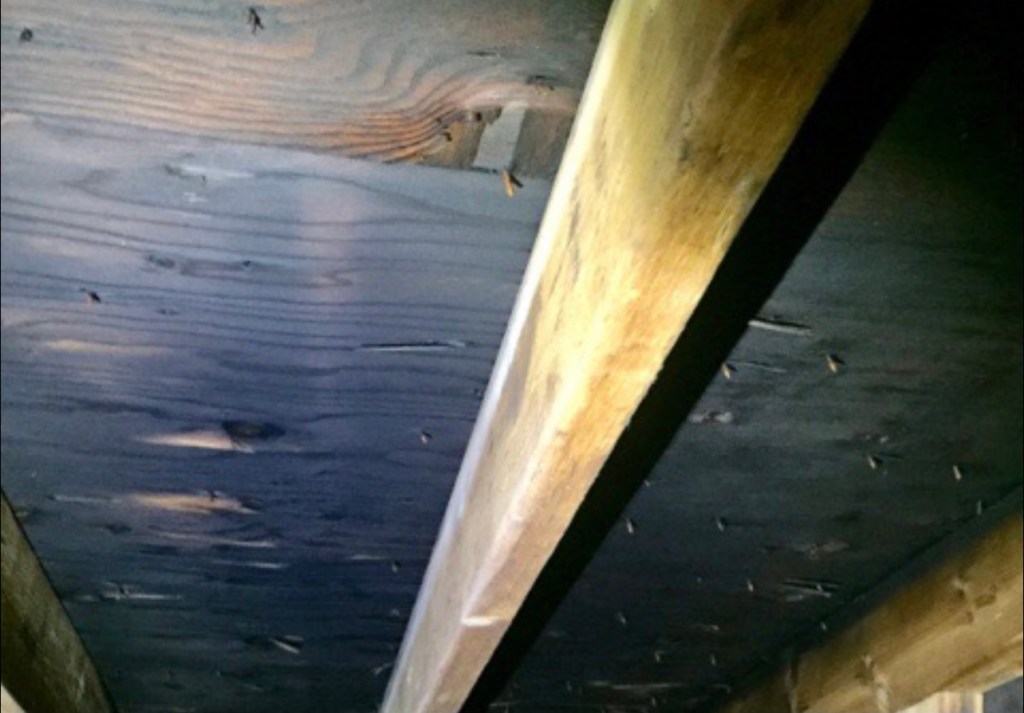
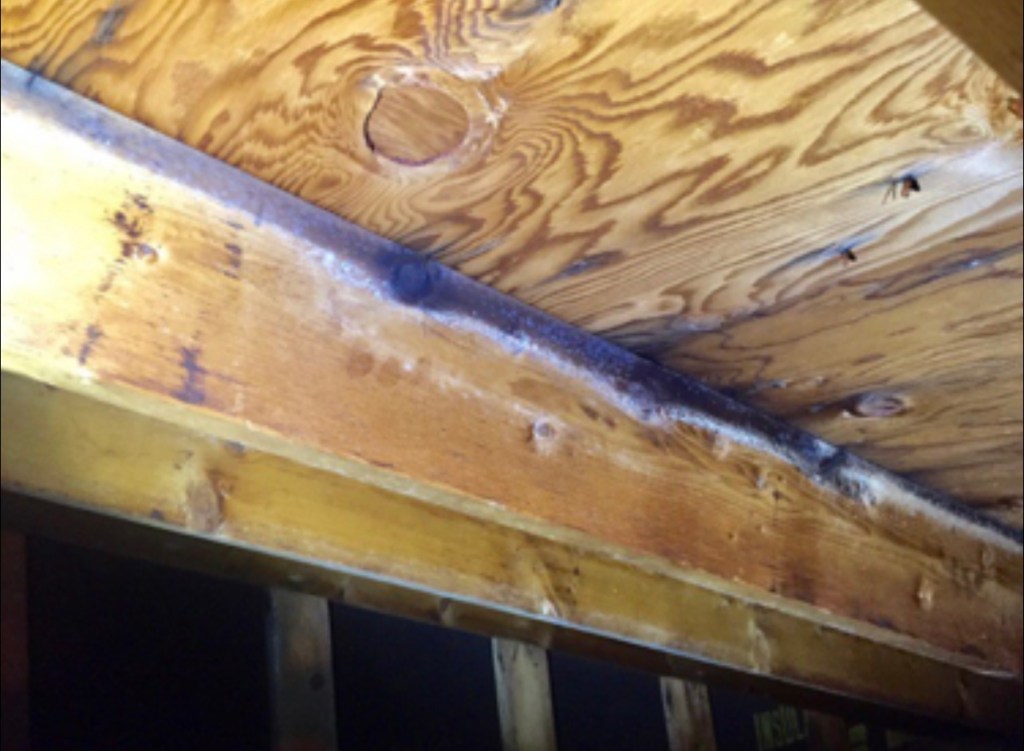
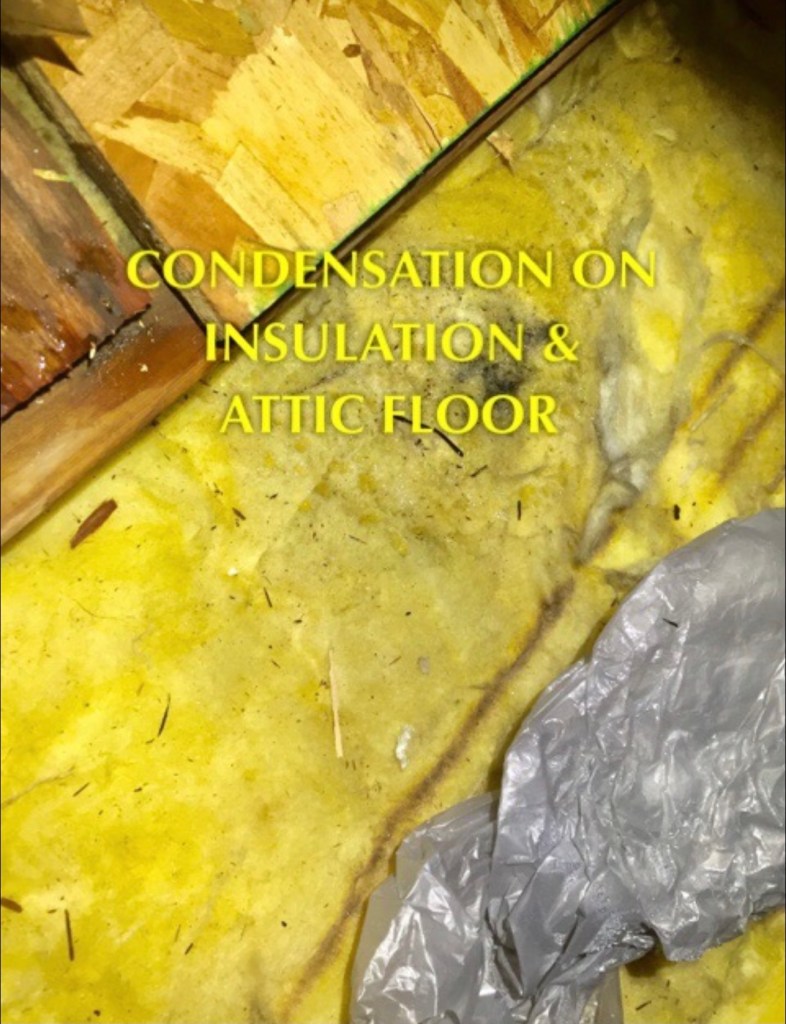
The building envelope includes the roof, exterior walls, windows, and foundation—essentially everything separating interior from exterior. PCA evaluations of the envelope are critical because failures here can lead to widespread damage. Water intrusion, masonry deterioration, and failing sealants can quietly erode value and increase long-term costs.
Life Safety Systems
These include fire alarms, sprinklers, emergency lighting, and egress components. A PCA reviews these systems for apparent deficiencies. Non-compliance can result in fines, occupancy restrictions, or insurance issues. Investors need to know if upgrades are required immediately after acquisition.
Zoning and Code Compliance
While a PCA is not a zoning study, inspectors often note visible code-related deficiencies. Accessibility issues (ADA concerns), improper stair geometry, guardrail deficiencies, or electrical hazards can create liability exposure. Identifying these early helps investors evaluate risk and compliance costs.
Environmental Concerns
Although separate from a Phase I Environmental Site Assessment, a PCA may note visible environmental red flags such as suspect materials, improper drainage, or storage issues. These observations can prompt further investigation and protect investors from significant liability.
Structural Integrity
Foundations, framing systems, load-bearing walls, and structural components are reviewed during a PCA. Structural deficiencies can be among the most expensive and disruptive issues to correct. Early identification protects investors from catastrophic financial surprises.
Value-Add Opportunity
A value-add property typically requires improvements to increase income or appreciation. A PCA helps distinguish between cosmetic upgrades and fundamental building problems. Smart investors want manageable improvements—not hidden structural or systemic failures disguised as “value-add.”
Exit Strategy
Whether you plan to refinance, sell, or hold long-term, the building’s condition will influence your exit. Properties with documented maintenance history and recent PCA reports often inspire greater confidence in future buyers and lenders. Addressing issues identified in a PCA before resale can improve marketability and pricing.
In commercial real estate investing, numbers matter—but condition drives the numbers. A commercial Property Condition Assessment provides clarity, leverage, and protection. It transforms assumptions into documented facts. For serious investors, a PCA is not just another box to check during due diligence; it is a critical tool for protecting capital and making informed, disciplined decisions.
If you’re evaluating a commercial property in Pennsylvania, Ohio, West Virginia, Maryland or beyond and want a clear, thorough assessment of its condition, Hill Property Inspections provides comprehensive commercial Property Condition Assessments tailored to investors, lenders, and stakeholders who need reliable data—not guesswork.
📞1-833-HILL-PRO
🌐https://hillinspections.com/commercial-inspections
 Hill Inspections