Attic ventilation is one of those home features most people never think about — until it becomes a problem. Unlike a leaky faucet or a cracked window, poor attic ventilation doesn’t always make itself known right away. But when it does, the consequences can be costly and sometimes dangerous. Proper attic ventilation is about more than just keeping the attic cool in summer; it’s about controlling moisture, extending the life of your roof, improving energy efficiency, and protecting structural components of your home.
So what exactly is attic ventilation? In the simplest terms, it’s a system that allows air to flow through your attic space so that hot, moist, or stagnant air can escape and be replaced with fresh air from the outside. A well-designed ventilation system uses intake vents (typically located at the soffits or eaves) and exhaust vents (such as ridge vents or gable vents) to promote continuous airflow. Think of it like the lungs of your house — without proper airflow, heat and moisture build up, leading to a host of potential issues.
One of the most common problems caused by inadequate attic ventilation is excess heat. In warmer months, heat from the sun can make attic temperatures soar well above the outdoor temperature. This excess heat transfers into the living spaces below, forcing your air conditioning system to work harder to maintain a comfortable indoor temperature. The extra strain on your HVAC system can lead to higher energy bills and potentially shorten the lifespan of your cooling equipment. On the roof itself, high attic temperatures can accelerate the degradation of shingles and other roofing materials, which could mean costly repairs or a premature roof replacement.
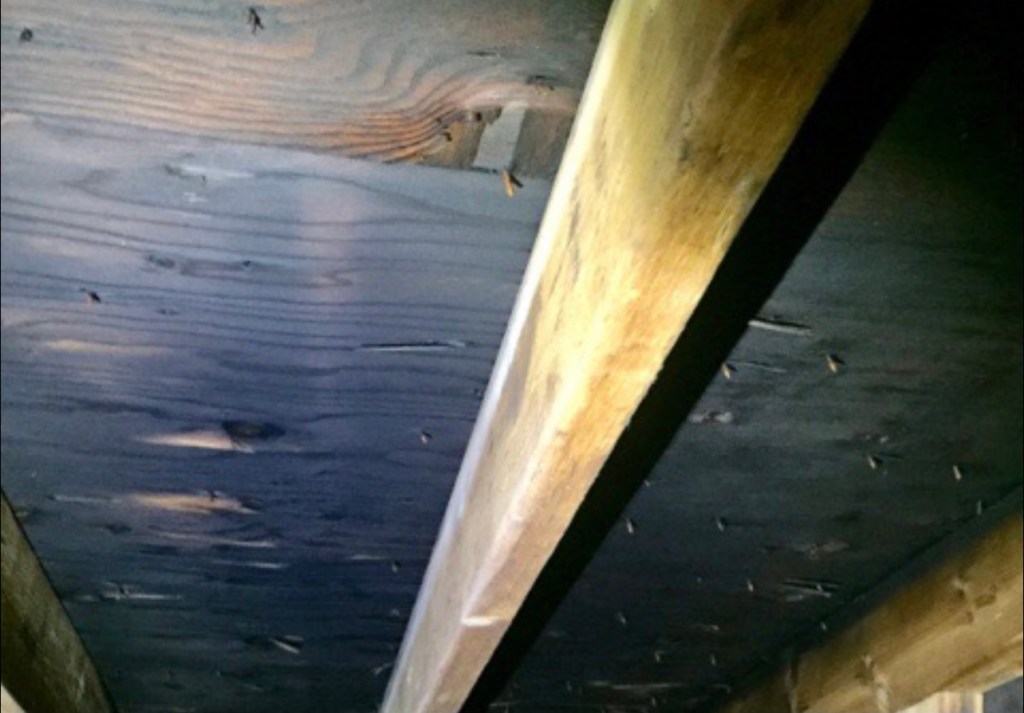
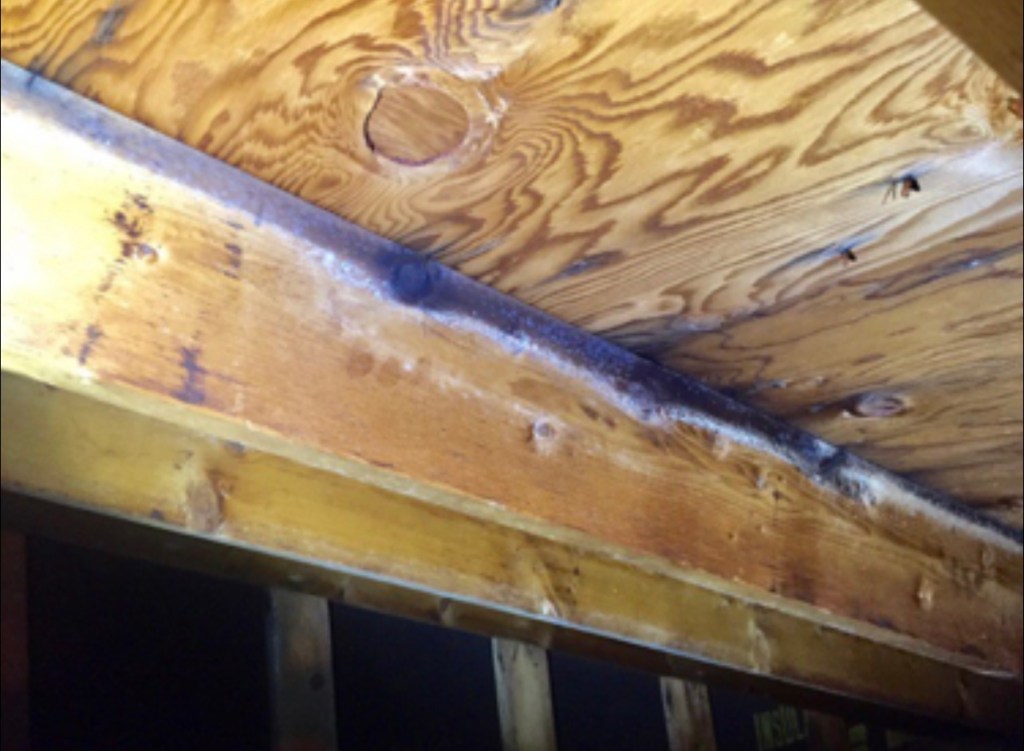
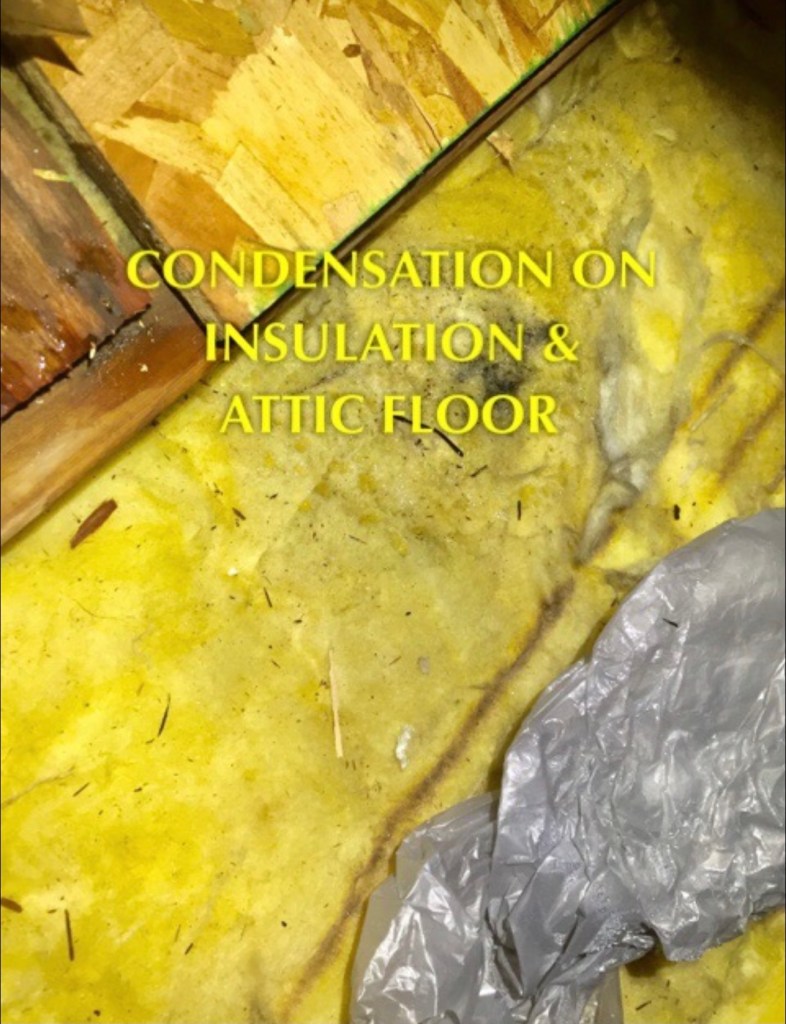
In colder climates, attic ventilation plays a different but equally important role. Warm, moist air from the interior of the home rises naturally and can enter the attic if not properly vented. When this warm, moist air meets the cold surfaces of the attic in winter, it can condense and lead to moisture accumulation. Over time, this moisture can create conditions conducive to mold and mildew growth, wood rot, and deterioration of insulation. In some cases, moisture in the attic can lead to ice damming on roofs, where melting snow refreezes at the eaves and causes water to back up under shingles and into the home.
A well-ventilated attic also helps regulate moisture levels year-round. Even in regions without extreme temperature swings, everyday activities like cooking, showering, or doing laundry introduce moisture into the home’s interior air. Without adequate ventilation, that moisture can find its way into attic spaces and compromise the performance of insulation, degrade wood framing, and reduce indoor air quality.
So how do you know if your attic ventilation is working the way it should? Some signs to watch for include unusually high attic temperatures in summer, ice dams in winter, visible mold or mildew on attic surfaces, damp or wet insulation, and unusually high energy bills. While some of these signs can be caused by other issues as well, they are worth investigating and may warrant having a professional inspection to assess your attic’s ventilation and overall condition.
Improving attic ventilation doesn’t always require a major overhaul. In many cases, potential solutions can be as simple as ensuring soffit vents are not blocked by insulation, adding or upgrading ridge vents, or installing additional intake or exhaust vents to balance airflow. Every home is different, and the right ventilation strategy depends on a variety of factors including roof design, climate, insulation levels, and existing vent placement.
In conclusion, attic ventilation is a critical but often overlooked component of a healthy, efficient home. From reducing energy costs to protecting the structure of your home and improving indoor air quality, the benefits of proper ventilation extend far beyond the attic space itself. If you’re unsure about your home’s attic ventilation or have noticed any warning signs, consider having a professional inspection to identify potential issues before they become costly problems. After all, prevention and early action are at the heart of responsible homeownership.
If you’d like a professional inspection of your attic ventilation, roof, insulation, or other major home systems, Hill Property Inspections offers comprehensive inspections that help homeowners understand potential issues and plan for maintenance or repairs with confidence. Call us at 1-833-HILL-PRO or visit hillinspections.com to learn more.
🏠 🌬️ 🌡️ 💧 🧱 🛠️ 🏡 🔍 ⚠️ 📋
 Hill Inspections