Why Understanding Your Home’s Attic Ventilation Matters

Attic ventilation is one of those home features most people never think about — until it becomes a problem. Unlike a leaky faucet or a cracked window, poor attic ventilation doesn’t always make itself known right away. But when it does, the consequences can be costly and sometimes dangerous. Proper attic ventilation is about more than just keeping the attic cool in summer; it’s about controlling moisture, extending the life of your roof, improving energy efficiency, and protecting structural components of your home.

So what exactly is attic ventilation? In the simplest terms, it’s a system that allows air to flow through your attic space so that hot, moist, or stagnant air can escape and be replaced with fresh air from the outside. A well-designed ventilation system uses intake vents (typically located at the soffits or eaves) and exhaust vents (such as ridge vents or gable vents) to promote continuous airflow. Think of it like the lungs of your house — without proper airflow, heat and moisture build up, leading to a host of potential issues.

One of the most common problems caused by inadequate attic ventilation is excess heat. In warmer months, heat from the sun can make attic temperatures soar well above the outdoor temperature. This excess heat transfers into the living spaces below, forcing your air conditioning system to work harder to maintain a comfortable indoor temperature. The extra strain on your HVAC system can lead to higher energy bills and potentially shorten the lifespan of your cooling equipment. On the roof itself, high attic temperatures can accelerate the degradation of shingles and other roofing materials, which could mean costly repairs or a premature roof replacement.

In colder climates, attic ventilation plays a different but equally important role. Warm, moist air from the interior of the home rises naturally and can enter the attic if not properly vented. When this warm, moist air meets the cold surfaces of the attic in winter, it can condense and lead to moisture accumulation. Over time, this moisture can create conditions conducive to mold and mildew growth, wood rot, and deterioration of insulation. In some cases, moisture in the attic can lead to ice damming on roofs, where melting snow refreezes at the eaves and causes water to back up under shingles and into the home.

A well-ventilated attic also helps regulate moisture levels year-round. Even in regions without extreme temperature swings, everyday activities like cooking, showering, or doing laundry introduce moisture into the home’s interior air. Without adequate ventilation, that moisture can find its way into attic spaces and compromise the performance of insulation, degrade wood framing, and reduce indoor air quality.

So how do you know if your attic ventilation is working the way it should? Some signs to watch for include unusually high attic temperatures in summer, ice dams in winter, visible mold or mildew on attic surfaces, damp or wet insulation, and unusually high energy bills. While some of these signs can be caused by other issues as well, they are worth investigating and may warrant having a professional inspection to assess your attic’s ventilation and overall condition.

Improving attic ventilation doesn’t always require a major overhaul. In many cases, potential solutions can be as simple as ensuring soffit vents are not blocked by insulation, adding or upgrading ridge vents, or installing additional intake or exhaust vents to balance airflow. Every home is different, and the right ventilation strategy depends on a variety of factors including roof design, climate, insulation levels, and existing vent placement.

In conclusion, attic ventilation is a critical but often overlooked component of a healthy, efficient home. From reducing energy costs to protecting the structure of your home and improving indoor air quality, the benefits of proper ventilation extend far beyond the attic space itself. If you’re unsure about your home’s attic ventilation or have noticed any warning signs, consider having a professional inspection to identify potential issues before they become costly problems. After all, prevention and early action are at the heart of responsible homeownership.

If you’d like a professional inspection of your attic ventilation, roof, insulation, or other major home systems, Hill Property Inspections offers comprehensive inspections that help homeowners understand potential issues and plan for maintenance or repairs with confidence. Call us at 1-833-HILL-PRO or visit hillinspections.com to learn more.

🏠 🌬️ 🌡️ 💧 🧱 🛠️ 🏡 🔍 ⚠️ 📋

Ice Damming & What to Do About It

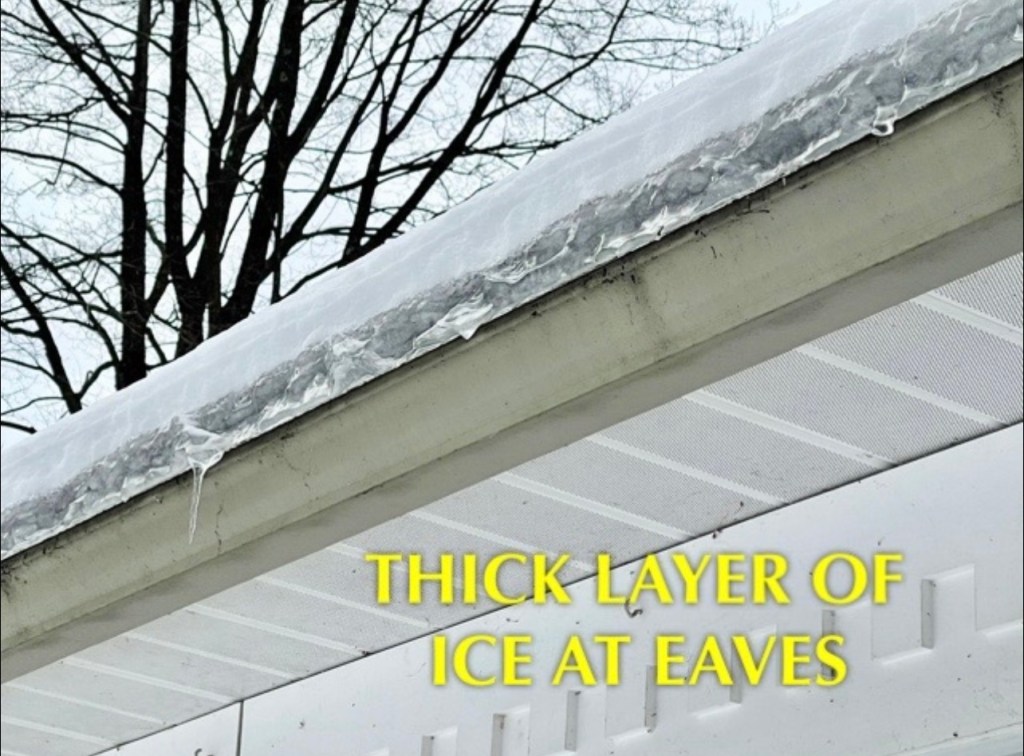
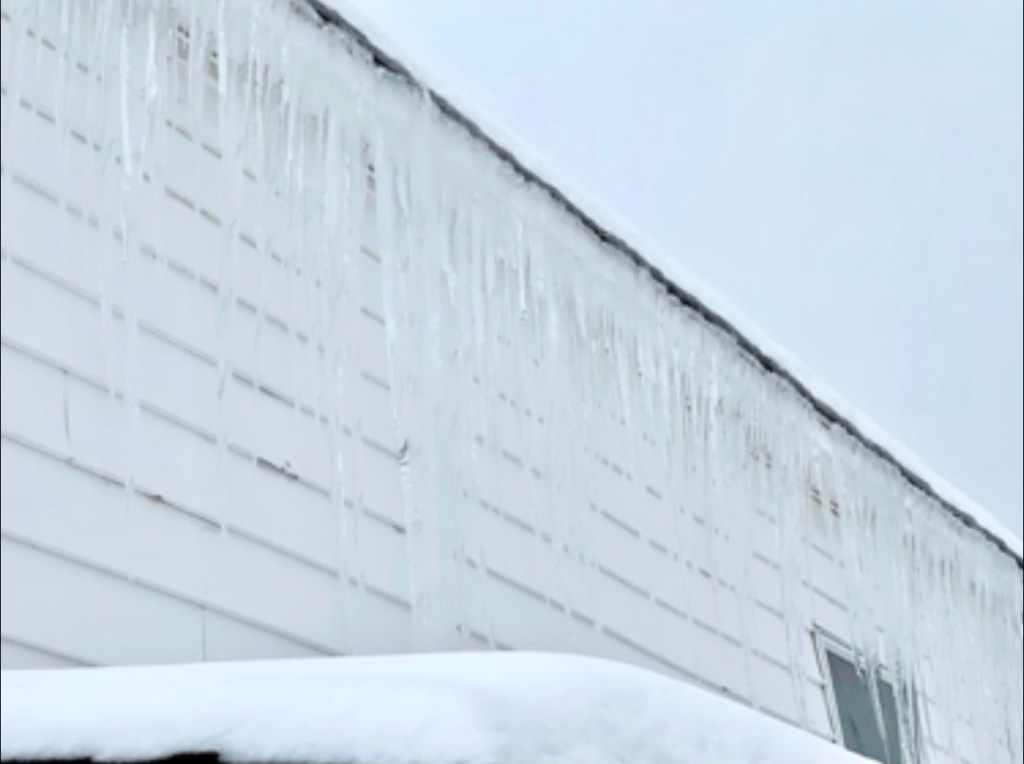
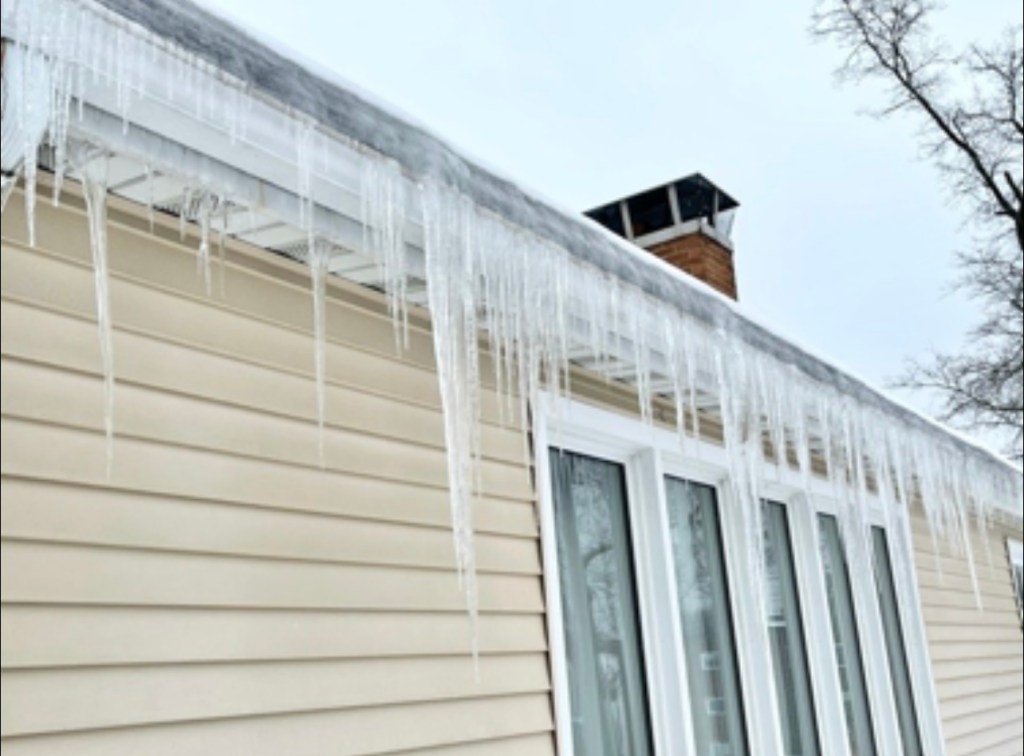
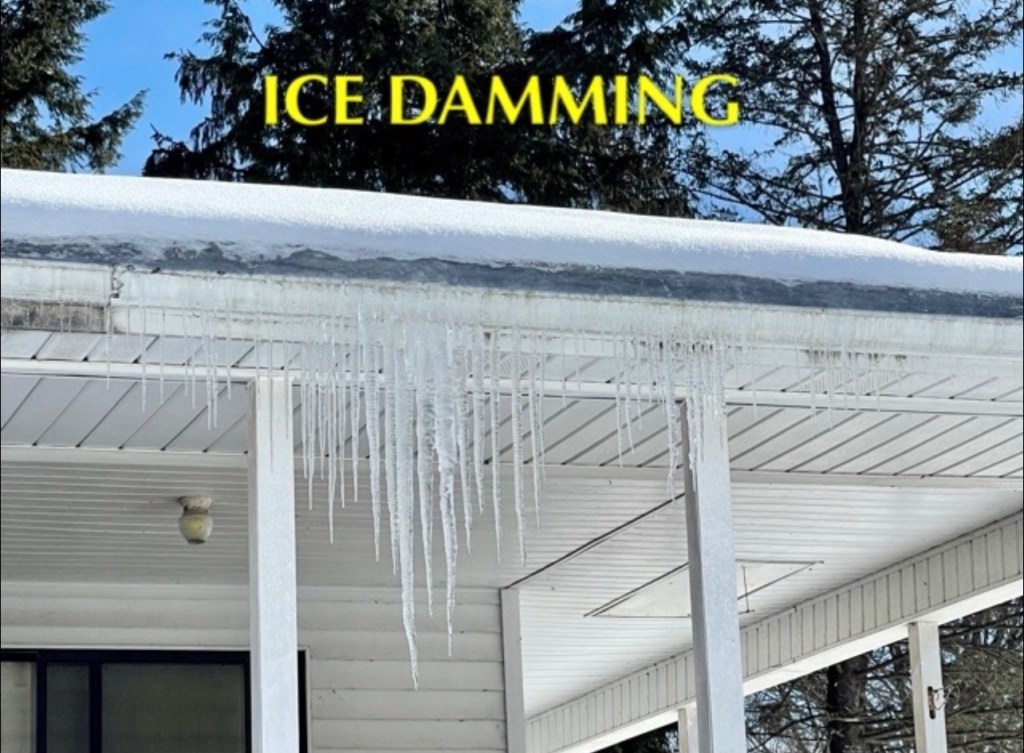
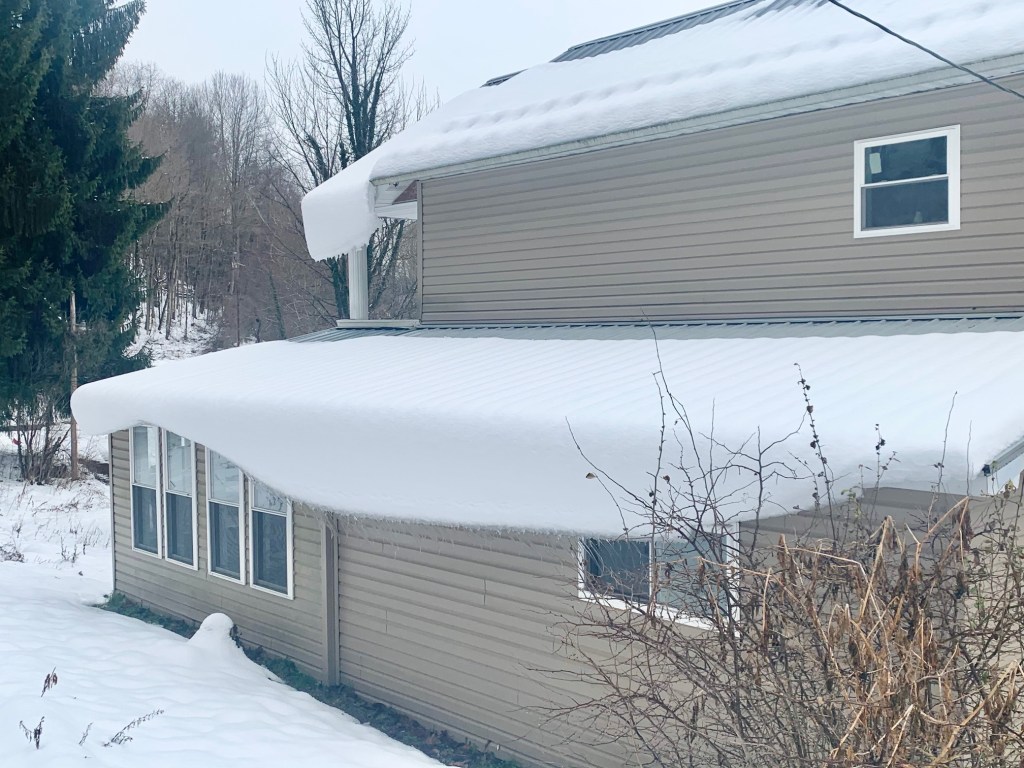
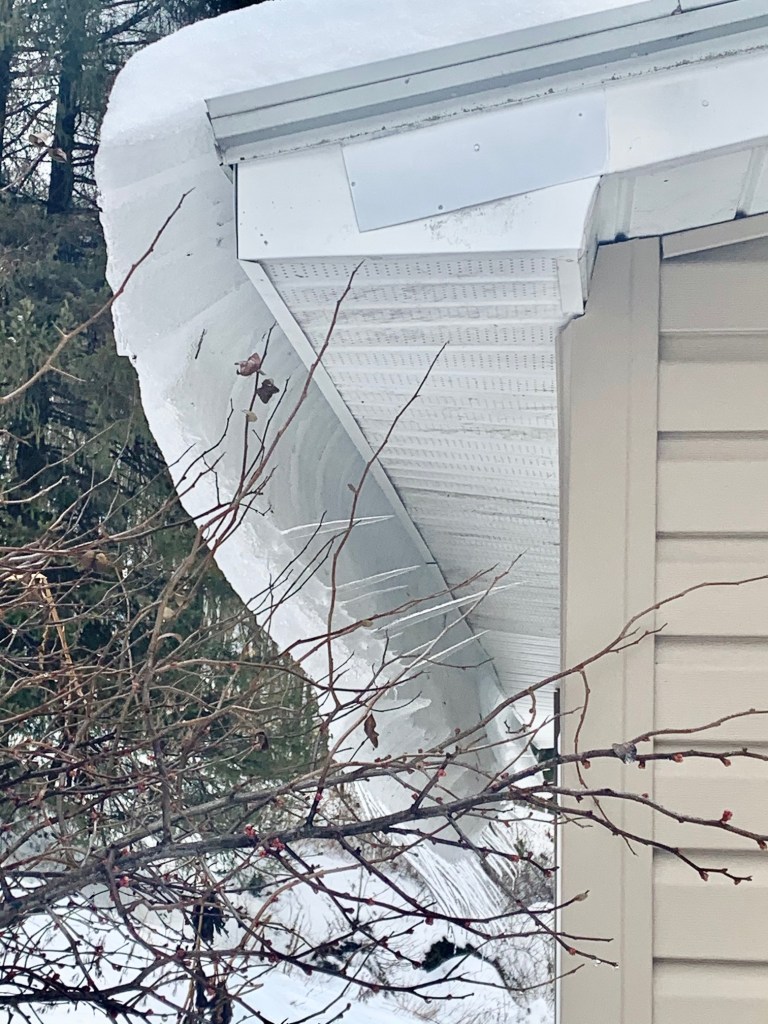
We’ve had some unusually severe winter weather lately here in southwestern Pennsylvania. During our recent inspections, we’ve seen enormous icicles hanging from roof eaves, along with curled snow sliding off the edges of metal roofs (I’ve attached a few photos for your viewing pleasure). A lot of what we’ve been seeing is something you’d literally have to see for yourself to believe because it could otherwise only be conjured up in your imagination.

One of the biggest concerns with this type of weather is ice damming – especially if you have a typical asphalt shingle roof. If you came across this blog article without already being a subscriber, chances are it’s because you searched for information about ice damming and may even have active leak damage. I hope not, but at least this article will help you to understand what ice damming is, why it happens, and (most importantly) how to prevent it in the future!

So, what exactly is ice damming? Well, it’s no more than a buildup of ice along the eaves (bottom edges) of a roof. Just like a water dam that is built up to hold back water, an ice dam is a buildup of ice that also prevents water from freely flowing downward. The only difference is that traditional water dams are often a good thing, whereas ice dams are never good!

The next most obvious question is what type of damage ice damming can cause. For one, long icicles can form and hang from gutters, which can weigh them down causing them to sag or even pull away or detach. The icicles themselves are hazardous because they can break off at any time and seriously injure anyone that may be standing directly below. Remember Ralphie’s excuse in A Christmas Story when he blamed an icicle for hurting his eye so he wouldn’t get his new Red Ryder BB gun taken away?

The type of damage that people often get most concerned about, though, is leak damage from ice dams. When the perfect conditions occur, leaking can happen fairly quickly, making ice dam prevention all the more important. If ice builds up along a roof eave and a thick layer of snow exists above the shingles, the bottom layer of snow can melt and turn back into water. This happens because the thick snow above actually acts as an insulator and the warm air rising from inside the house causes the bottom layer to melt while the top layer stays cold. The ice at the cold eave prevents the water from flowing downward, so it has nowhere to go but up (hence the term “backup”). Each row of asphalt shingles overlaps the row beneath, so the water can run beneath the bottom shingle edges and seep into the roof structure below. Once this occurs, it may not take long for the intruding water to rot out the roof sheathing and make its way down onto the ceiling and/or wall below.

OK, so we know what ice damming is and why it happens, but how do we prevent it? If you’ve already had leaking from an ice dam problem, there’s unfortunately no easy (or cheap) solution. The repair work will have to be done, and it will likely be fairly involved and pricey. If you’ve had repairs made or haven’t yet had leaking, there are some pretty simple ways to offset the likelihood that you’ll experience a major ice damming issue in the future, so pay close attention to the following tips!

  1. Consider having heat cable installed along your roof eaves. This cable is often installed in a zig-zag pattern and does just what its name suggests… it heats up to melt ice and snow and prevent ice accumulation. Heat cable only needs to be powered when the weather conditions warrant it, so it won’t add a lot to your electric bill and won’t prove to be a big burden. Heat cable is most often found on asphalt shingle roofs, but it can even be installed on metal.
  2. Smack off those icicles! …but safely and only if you know what you’re doing! You obviously need to be careful when you do this, and accessing higher icicles may be difficult, but it’s a good idea to walk around and safely remove any large icicles that have formed, being certain that you’re paying attention to what’s below them. I’m not suggesting you do anything dangerous, but any icicles that are easily reachable and not directly above something that could be damaged should be removed to prevent unwanted damage. It goes without saying, but be especially sure that you are not directly beneath them and are a good distance away!
  3. If you’ve had to make roof repairs from prior ice dammage (did you like that play on words?) or you’re installing a new roof, be sure that the roofer installs ice and water shield beneath the shingles to prevent leaks from ice dams moving forward. This product is a waterproof membrane, used as an underlayment, and does its job extremely well.
  4. Be sure to check your gutters and clean them as needed – especially in autumn. Leaves and debris typically accumulate in gutters during the fall and will clog the gutters in winter if they aren’t cleaned. This will only serve to prevent adequate drainage and make ice dams form more quickly, and a little seasonal homeowner DIY maintenance can go a long way in helping to prevent large potential problems.

Ice dams can cause big problems, but they’re not a year-round issue and can be pretty easily prevented. Hopefully this article has helped you learn more about prevention, and feel free to comment if you have any questions about ice dams or personal horror stories you’d be willing to share.

*To visit our main website, go to http://www.hillinspections.com